Email us
admin@woodvaleparkdental.com.au

Woodvale, Kingsway, Edgewater, Kingsley, Whitfords, Hillarys, Duncraig, Joondalup, Mullaloo, Ocean Reef,Hocking, Padbury, Pearsall, Beldon, Sinagra. Patients outside these suburbs are welcome. Avail same day emergency appointments at Woodvale Park Dental
Bruxism refers to an oral parafunctional activity which occurs in most humans at some point in their lives. The grinding of the teeth and the clenching of the jaw are the two main characteristics of this condition, which can occur either during the day or at night.
Bruxism is one of the most common known sleep disorders and causes most of its damage during sleeping hours. The clenching and grinding which accompanies bruxism is symptomatic of a malfunctioning chewing reflex, which is turned off in non-sufferers when sleeping. For sufferers, deep sleep or even naps, cause the reflex nerve control center in the brain to turn off, and the reflex pathways to become active.
Typically, the incisors and canines (front 6 upper and lower teeth) of opposing arches grind against each other laterally. This side to side action puts undue strain on the medial pterygoid muscles and the temporomandibular joints. Earache, depression, headaches, eating disorders and anxiety are amongst the most common symptoms of bruxism; which often accompanies chronic stress, Alzheimer’s disease and alcohol abuse.
Bruxism is frequently misdiagnosed or not diagnosed at all, because it is only one of several potential causes of tooth wear. Only a trained professional can tell the difference between bruxing wear and wear caused by overly aggressive brushing, acidic soft drinks and abrasive foods.
A BiteStrip® is an economical device used to diagnose bruxism at home. The device itself is a small electromyography which senses and monitors any activity in the jaw muscles during sleep. The frequency and severity of the condition can then be assessed and the best treatment plan can be formulated.
Here are some of the main reasons why bruxism should be promptly treated:
 Gum recession and tooth loss
Bruxism is one of the leading causes of gum recession and tooth loss; firstly because it damages the soft tissue directly, and secondly because it leads to loose teeth and deep pockets where bacteria can colonize and destroy the supporting bone.
Occlusal trauma The abnormal wear patterns on the occlusal (chewing) surfaces can lead to fractures in the teeth, which may require restorative treatment.
Arthritis In severe and chronic cases, bruxing can eventually lead to painful arthritis in the temporomandibular (TMJ) joints (the joints that allow the jaw to open smoothly).
Myofascial pain The grinding associated with bruxism can eventually shorten and blunt the teeth. This can lead to muscle pain in the myofascial region and debilitating headaches.
There is no single cure for bruxism, though a variety of helpful devices and tools are available. Here are some common ways in which bruxism is treated:
Mouthguards An acrylic mouthguard can be designed from tooth impressions to minimize the abrasive action of tooth surfaces during normal sleep. Mouthguards should be worn on a long-term basis to help prevent tooth damage, damage to the temporomandibular joint and help to stabilize the occlusion.
NTI-tss device This device is fitted by a health professional and only covers the front teeth. The goal of the NTI-tss is to prevent the grinding of the rear molars by limiting the contraction of the temporalis muscle.
NeuromodulatorsNeuromodulators can be injected into the muscles to relax and weaken them. Injecting Neuromodulators is an excellent treatment for bruxism because it weakens the muscles enough to prevent the grinding, but not enough to interfere with everyday functions like chewing and speaking.
Other methods of treatment include relaxation exercises, stress management education and biofeedback mechanisms. When the bruxing is under control, there are a variety of dental procedures such as crowns, gum grafts and crown lengthening that can restore a pleasant aesthetic appearance to the smile.
Periodontal disease is a progressive condition that can destroy soft tissue very rapidly. When used in combination with deep cleaning procedures, soft tissue grafting can halt tissue and bone loss, and protect exposed roots from further complications.
The goal of our clinic is to provide friendly, caring dentistry and the highest level of general, cosmetic, and specialist dental treatments.
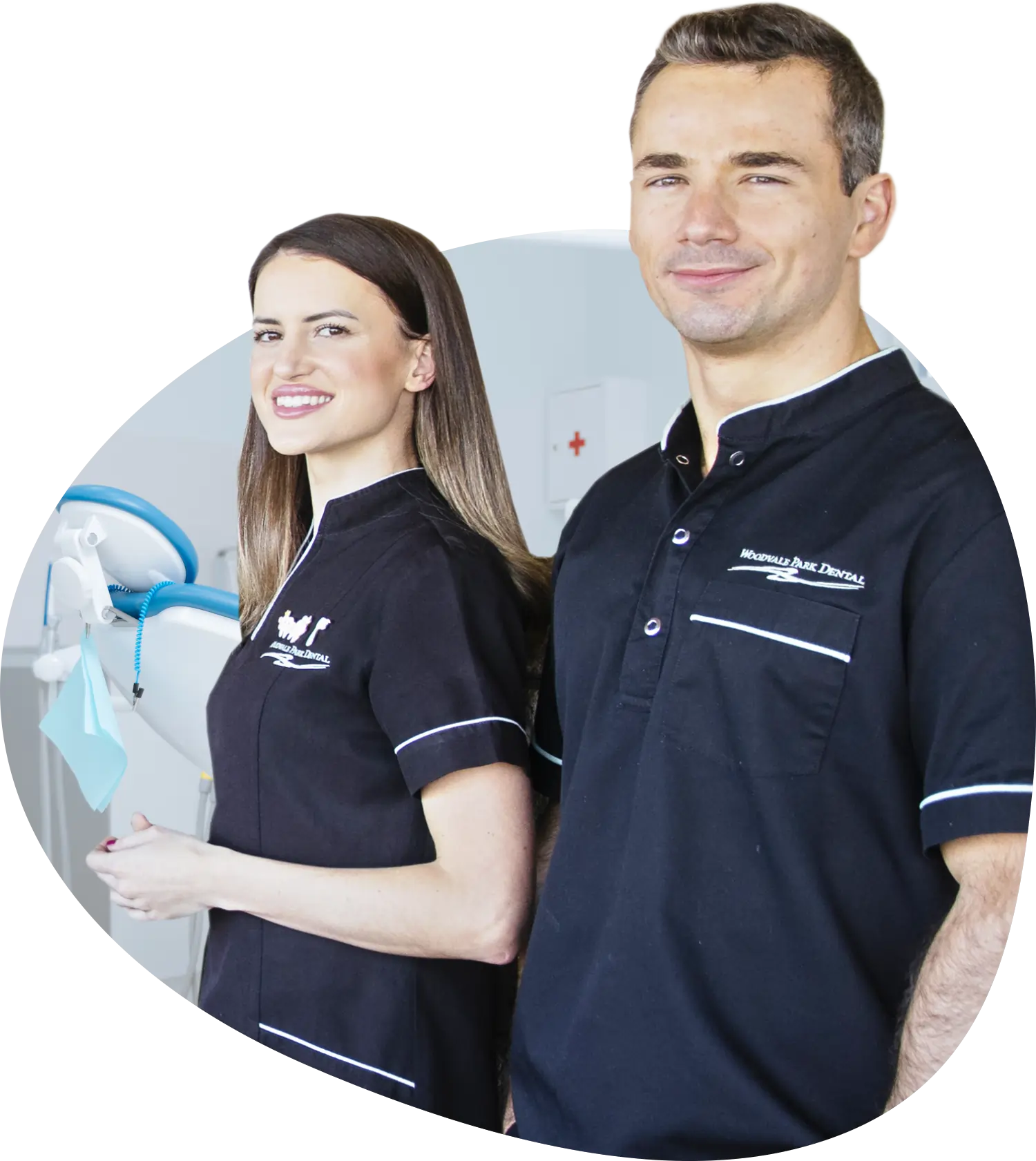
If you are seeking a caring and compassionate Dental practice in Woodvale (Perth), look no further.
Woodvale, Kingsway, Edgewater, Kingsley, Whitfords, Hillarys, Duncraig, Joondalup, Mullaloo, Ocean Reef, Hocking, Padbury, Pearsall, Beldon, Sinagra.